![[HERO] Quick Tip: Use the](https://cdn.marblism.com/jOB174LMuEM.webp)
If you are running a photo booth business, you probably spent a lot of time perfecting your lighting, choosing the best backdrops, and learning your software. But how much time have you spent on your pricing structure? Most owners make the mistake of offering a single “standard” price or a flat hourly rate. While this seems simple, it is actually a major roadblock to scaling your revenue.
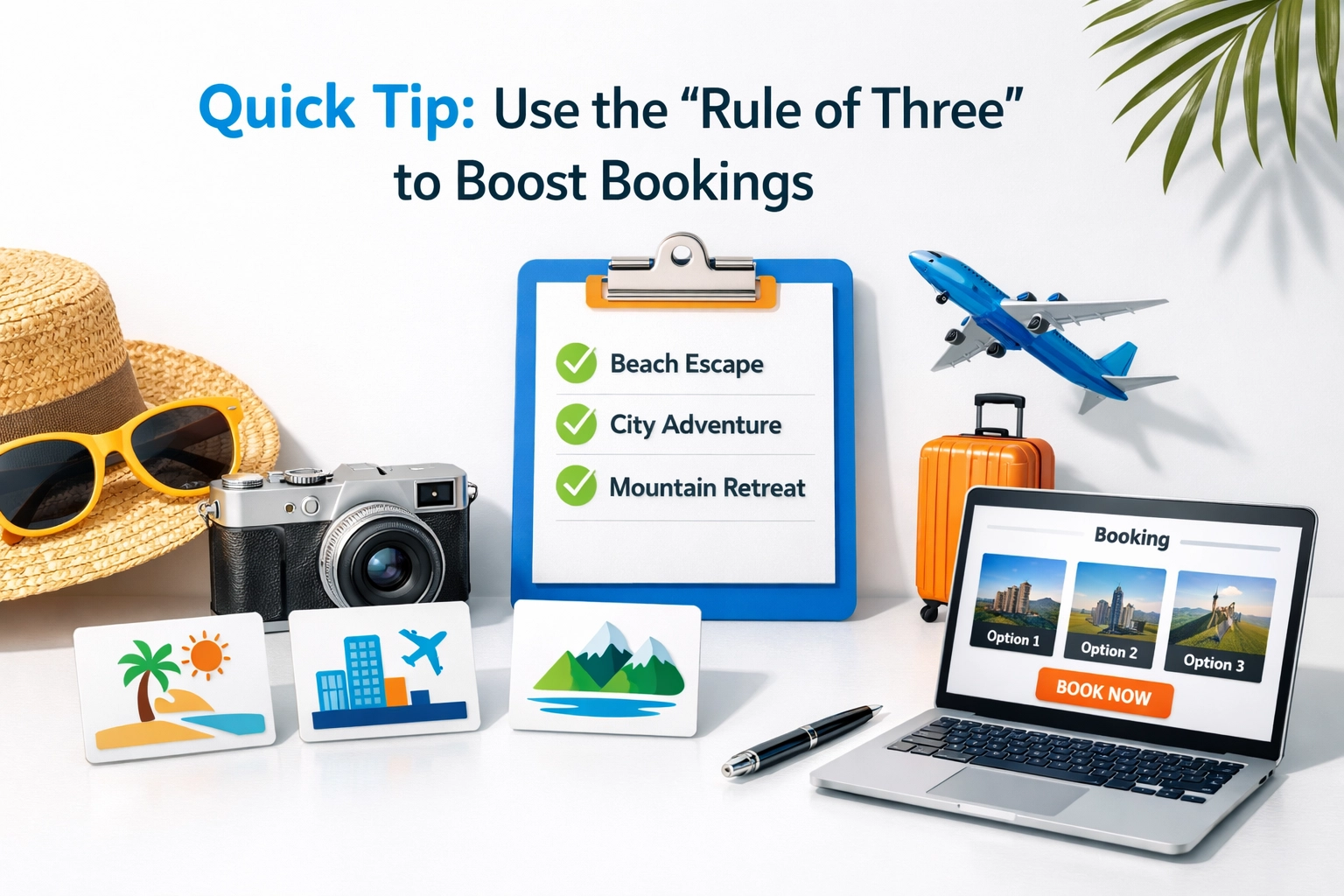
The “Rule of Three” is a psychological and business principle that can transform your booking rate and your average profit per event. By moving away from a single-price model and offering three distinct tiers, you guide your clients toward the choice that benefits your business the most.
Why a Single Price Limits Your Growth
When you offer only one price, you force a “yes or no” decision. The client either wants your service at that exact price, or they don’t. There is no room for negotiation or upselling. Furthermore, if your price is too high for a budget-conscious lead, they walk away. If your price is too low for a luxury client, they may perceive your brand as “cheap” and look elsewhere.
By offering three options, you change the conversation from “Should I hire them?” to “Which of these packages is right for me?” This shift in perspective is subtle but powerful. It gives the client a sense of control while ensuring you remain profitable across different market segments.
Implementing the Three-Tier Structure
To use the Rule of Three effectively, you need to create three packages: Basic, Premium, and VIP. Each should be clearly defined with specific features that justify the price jump.
The Basic Tier: The Entry Point
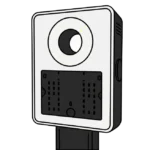
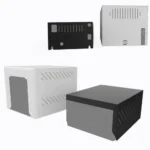
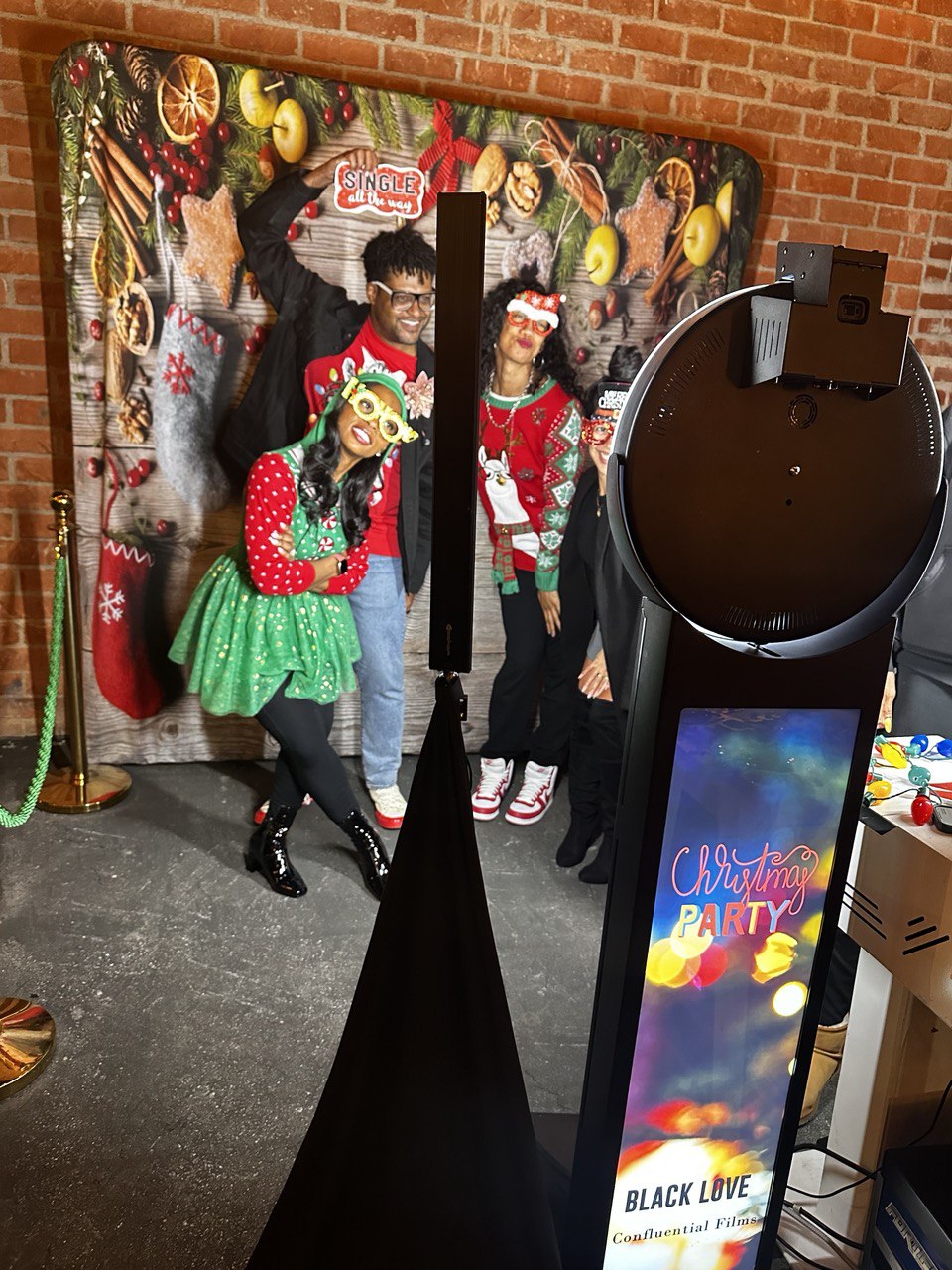
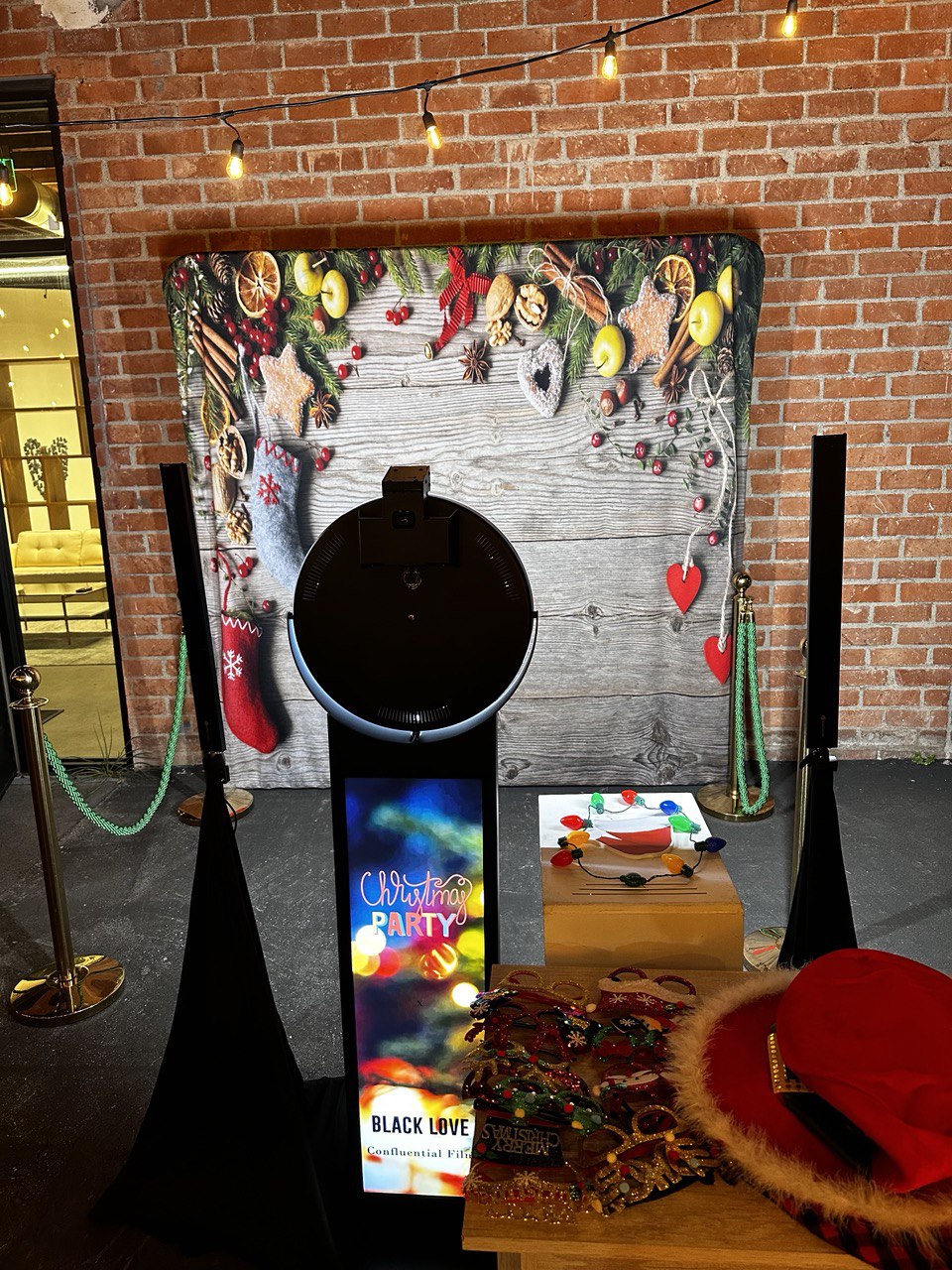
The Basic tier is designed for the price-sensitive customer. It provides the essential photo booth experience without any “extra” frills. This package ensures you don’t lose leads who have a strict budget but still want quality equipment like our All-in-one DSLR Photo Booth Unit.
In this tier, focus on:
- Limited hours of service (e.g., 2 hours).
- Digital-only delivery (no prints).
- Standard digital props or a basic physical prop set.
- Standard backdrop options.
The goal of the Basic tier is to act as a “floor.” It makes your other packages look more valuable by comparison.
The Premium Tier: The Sweet Spot
This is where you want the majority of your clients to land. In fact, most people naturally avoid the cheapest and the most expensive options, choosing the middle ground. This is known as “center-stage effect” or “compromise effect.”
To boost your bookings and revenue, price your Premium tier slightly higher than what your old “standard” rate used to be. Because it sits between two other options, clients will perceive it as the best value.
The Premium tier should include:
- Extended service hours (e.g., 3-4 hours).
- Unlimited high-quality prints.
- A wider selection of backdrops.
- Customized photo templates.
The VIP Tier: The High-Perceived-Value Option
The VIP tier serves two purposes. First, it caters to high-end clients who want the absolute best and are willing to pay for it. Second, it makes the Premium tier look affordable.
The key to a successful VIP tier is including items with high perceived value but low overhead costs for you.
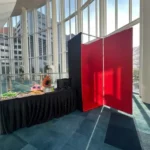
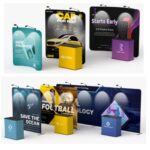
- Custom Backdrops: A custom-printed backdrop or a high-end flower wall.
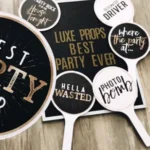
- Luxury Props: High-quality themed props that look better in photos than standard cardstock.
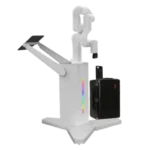
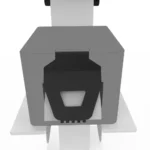
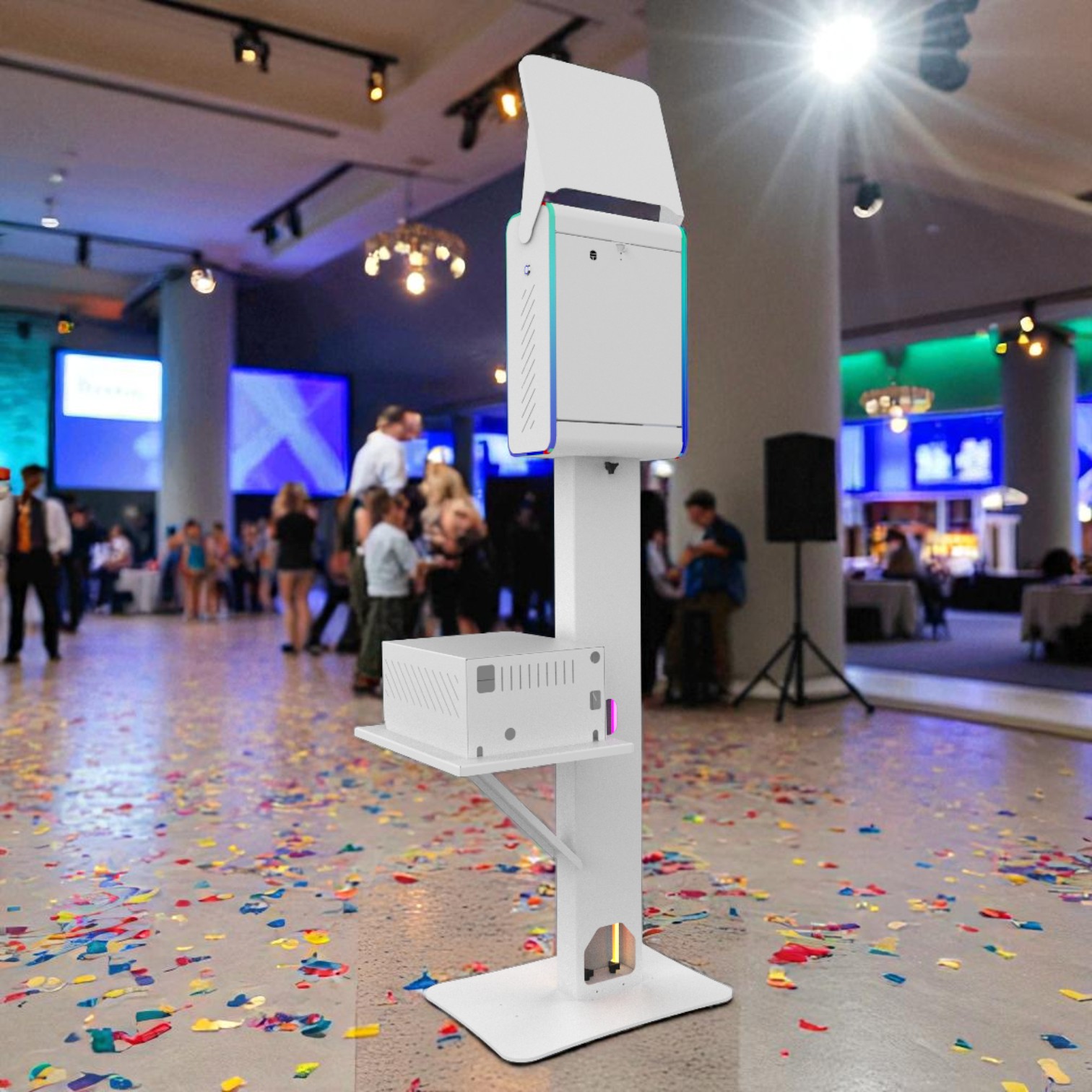
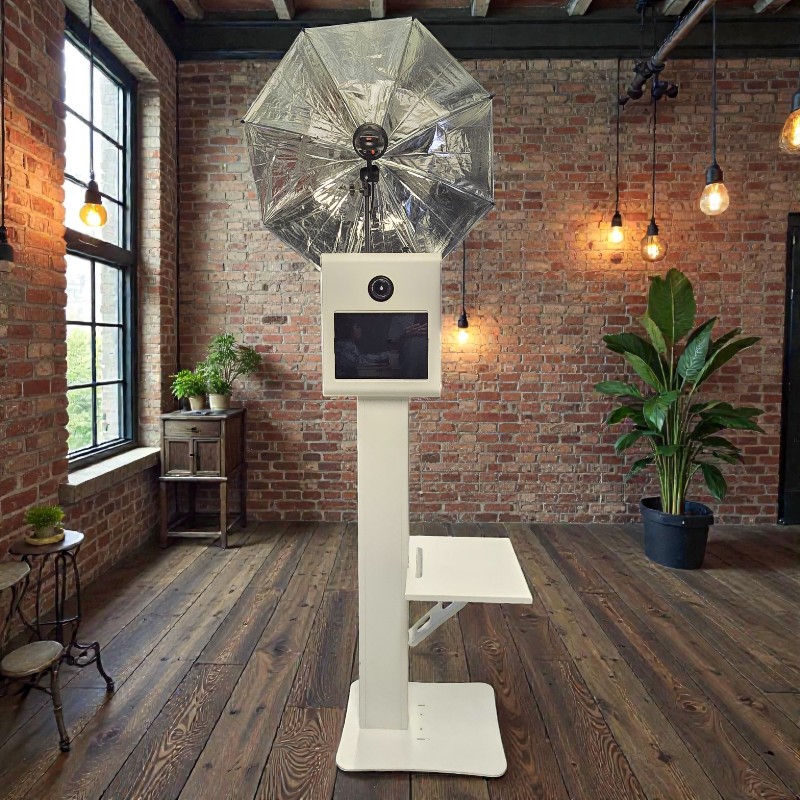
- Social Media Kiosk: An additional Sleek white photo booth kiosk setup for instant sharing.
- Idle Time: Including an hour of idle time during dinner or speeches.
When a client sees a $2,500 VIP package, a $1,200 Premium package suddenly feels like a bargain compared to the $800 Basic package.
The Science Behind the Numbers
Research consistently shows that people prefer the “safer” middle option. By positioning your most profitable package in the center, you are working with human nature rather than against it. When you only offer two options, clients are more likely to choose the cheaper one to save money. When you add the third, more expensive “anchor,” the middle option becomes the logical choice for the majority.
Applying the Rule of Three to Outreach
The Rule of Three isn’t just for pricing; it applies to how you find and land clients. To keep your booking pipeline full, you should always have three simultaneous outreach actions in motion. Relying on just one source, like Instagram or word of mouth, is risky.
Consider these three outreach methods:
- Direct Outreach: Contacting local event planners or venues to introduce your services.
- Follow-up Campaigns: Re-engaging with old leads who didn’t book previously.
- Referral Requests: Actively asking past happy clients for referrals in exchange for a small incentive.
By layering these methods, you ensure that even if one channel slows down, the others continue to bring in leads.
Mastering the Three Follow-Ups
Statistics show that most bookings happen after multiple points of contact. A simple “one and done” email is rarely enough to close a deal. Use the “Tell them” structure to reinforce your value:
- The Intro: Tell them what you offer and how you can solve their problem (e.g., making their wedding unforgettable).
- The Pitch: Present your service and your three packages clearly.
- The Reinforcement: Tell them what you told them by summarizing the key benefits and creating urgency (e.g., “Only two dates left in June”).
Persistence is professional. If a prospect hasn’t said “no,” they simply haven’t said “yes” yet. Three follow-ups is a respectful but effective cadence.
Daily Actions for Six-Figure Growth
Consistency is the difference between a hobby and a business. Every day, identify three priority actions that directly contribute to bookings.
- Action 1: Send three new proposals.
- Action 2: Call one venue manager to discuss a partnership.
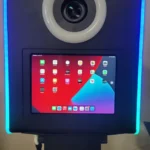
- Action 3: Update your social media or website with new photos of your modern iPad photo booth.
Focusing on just three tasks prevents burnout while ensuring you move the needle every single day.
Technical Setup and Implementation
Managing three tiers requires organized equipment and software settings. Ensure your photo booth software is pre-configured with three distinct profiles.
- Digital-only profile: No print buttons, focus on email/text sharing.
- Standard profile: Prints enabled with a standard layout.
- VIP profile: Custom overlays, animated GIFs, and green screen options enabled.
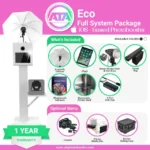
When you arrive at an event, your setup should reflect the package purchased. If you’re using an ATA iPad Photo Booth, the digital interface should be tailored to the client’s tier, ensuring they feel they got exactly what they paid for.
Troubleshooting Your Pricing
If you find that everyone is picking the Basic package, your Premium tier might be priced too high or its value isn’t clear enough. If everyone is picking the VIP package, you are likely underpricing your top-tier service and leaving money on the table.
Review your bookings every quarter. A healthy business should see a distribution of roughly 20% Basic, 60% Premium, and 20% VIP. This balance indicates that your “anchor” pricing is working correctly and your “sweet spot” is attractive to the mass market.
Support and Guidance
Building a tiered pricing strategy takes practice. If you aren’t sure how to bundle your items or what “high-perceived-value” add-ons to offer, look at what successful competitors are doing or consult with industry experts.
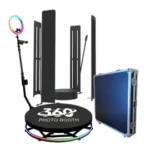
At ATA Photo Booths, we don’t just sell you the equipment; we provide the business foundation. Whether you are looking for technical support for your freestanding LED photo booth or advice on how to structure your contracts, our team is available to help.
Ready to scale your photo booth business? From equipment to business guidance, ATA Photo Booths has everything you need to hit six figures. Visit our product page to see the latest in event technology.